Iana Stoyanova
Deconstructing to rebuild
The effects of material reuse on architectural practices
As the construction industry is the largest producer of waste in France, the regulatory framework is evolving to encourage the transition of construction activities towards circular economy practices. National and European policy is pushing project owners and construction stakeholders to view existing buildings as resource banks for the development of new products and construction methods.
This research will examine the evolution of construction practices and architectural values in the face of the challenges and complexities of recycling materials from demolition. Conducted from an architect's perspective, it will explore reuse – the process of creating new products from recovered raw materials – and its potential to provide large-scale solutions for reducing construction waste.
Conducted within Suez, this thesis will explore the hypothesis of close collaboration between the worlds of architecture, industry and waste treatment as a solution for the widespread adoption and integration of reuse in the construction project process.
A long-standing player in waste management and recovery, Suez is finding a new place in the world of construction by developing skills and working methods for characterising the materials in a building undergoing renovation or demolition. The batiRIM® digital tool enables the management and sharing of this data and the implementation of strategies for reuse, recycling and recovery.
Suez's approach provides a testing ground for the hypothesis through applied research on concrete projects, participant observation and prospective research. The first step is to examine the technical aspects of reuse: diagnostic and design methods that can be adapted to the specific characteristics of each project, and a transformation process that responds to variations in the recovered raw material with standardised and reproducible solutions.
The next step is to examine the organisational dimension of reuse: the architect's relationships with other stakeholders, the new phases of the project, and the role of digital tools in managing and sharing information as a means of creating a common vocabulary and fluid communication.
Finally, these lines of thought will feed into a reflection on the cultural dimension of reuse from a long-term perspective. In a vision of the future as a field of action open to several possible futures, the aim is to anticipate the evolution of construction practices and architectural values in the projection of a desirable future that integrates the reuse and recycling of materials in a sustainable and widespread manner.
Iana Stoyanova
–
Doctoral framework
◖ Thesis supervisor
Paul Landauer (HDR)
OCS Laboratory, Ensa Paris-Est
◖ Affiliated institution
2019 - ongoing
Industrial research training agreement (Cifre) with Suez RV (10.2019-2022).
◖ Research environment
OCS Laboratory
AUSser Joint Research Unit, Gustave Eiffel University
–
Illustration →
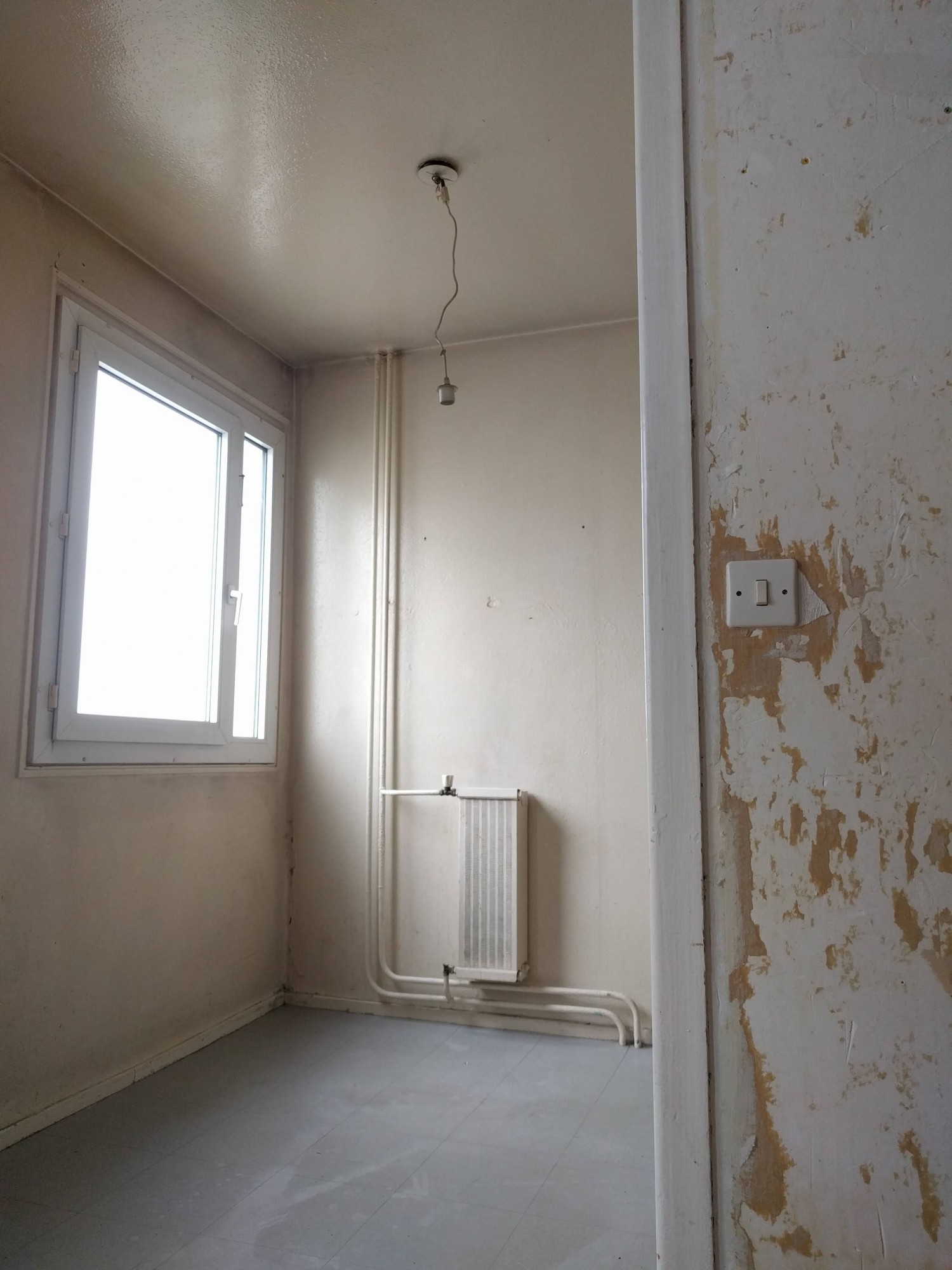
Cité des Indes, demolition of buildings as part of an urban renewal project.